The 4am Pantry Trip Isn't Hunger, A Foot Specialist's Wife Found The Fix
After 17 years telling patients their weight was their fault, a Spokane doctor found the through-the-skin trick that finally quieted his own wife's cravings, no needles, no prescriptions.
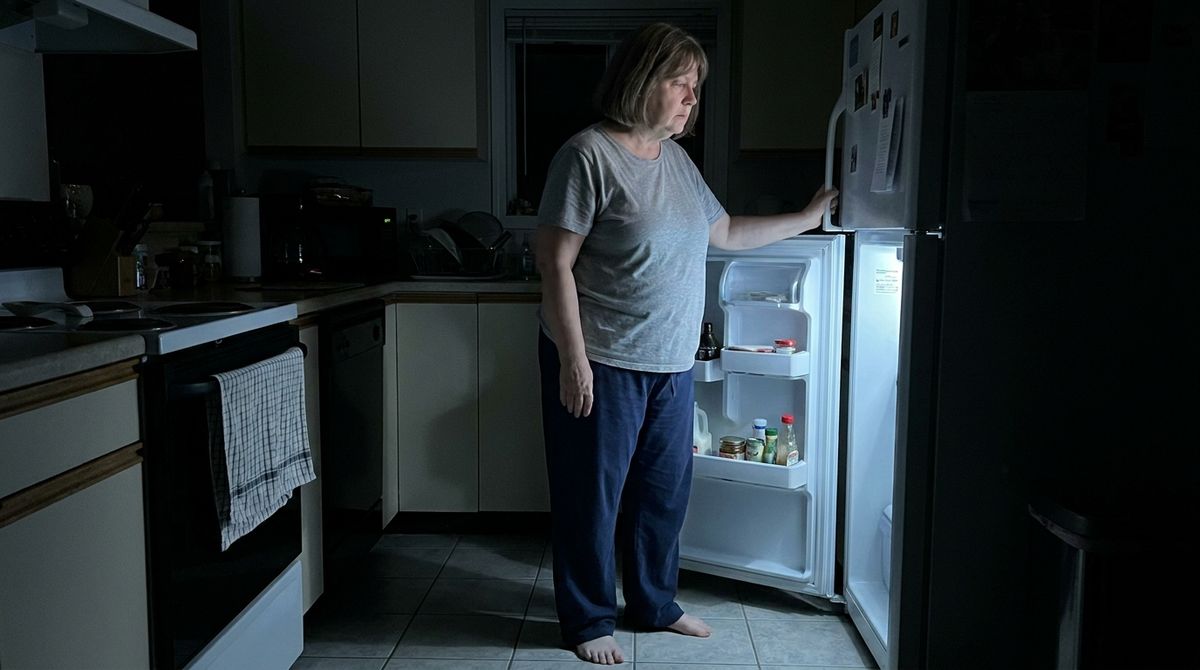
You wake at 4am and the first thing you feel is the pull toward the kitchen. Not hunger. You ate dinner. You're not even sure you're hungry. But your feet are already on the cold floor, and you're standing at the open fridge before you've decided anything. You eat the cheese. The crackers. The spoonful of whatever. You go back to bed angry at yourself.
By morning you've promised, again, that today will be different. By 3pm the same pull is back, and you white-knuckle through it until you don't. You've counted the calories. You've walked the steps. You've done the fasting and the points and the shakes. And still the pull doesn't stop. It feels like something inside you is broken.
I'm going to tell you what's actually happening, and why nothing you swallowed ever had a chance of reaching it.
I'm Dr. Tobias Brandt. I practice internal and metabolic medicine here in Spokane. For seventeen years there was a sentence I said in the exam room almost every week. A woman would sit across from me, exhausted, and ask why she couldn't lose the weight. And I would say: "Smaller portions. A little more movement. Be patient with yourself." I believed it.
I'd say it kindly. Then I'd write it on the chart and move to the next room. I knew the hormone science. That wasn't the problem. The problem was that I had quietly decided, somewhere along the way, that for women past fifty the weight was simply how things were now. Permanent. Manageable at best.
So I kept handing out the same advice that hadn't worked the first hundred times. I had no second thing to offer. So I offered nothing, in nicer words.
The Anniversary Dinner Neither Of Us Talks About
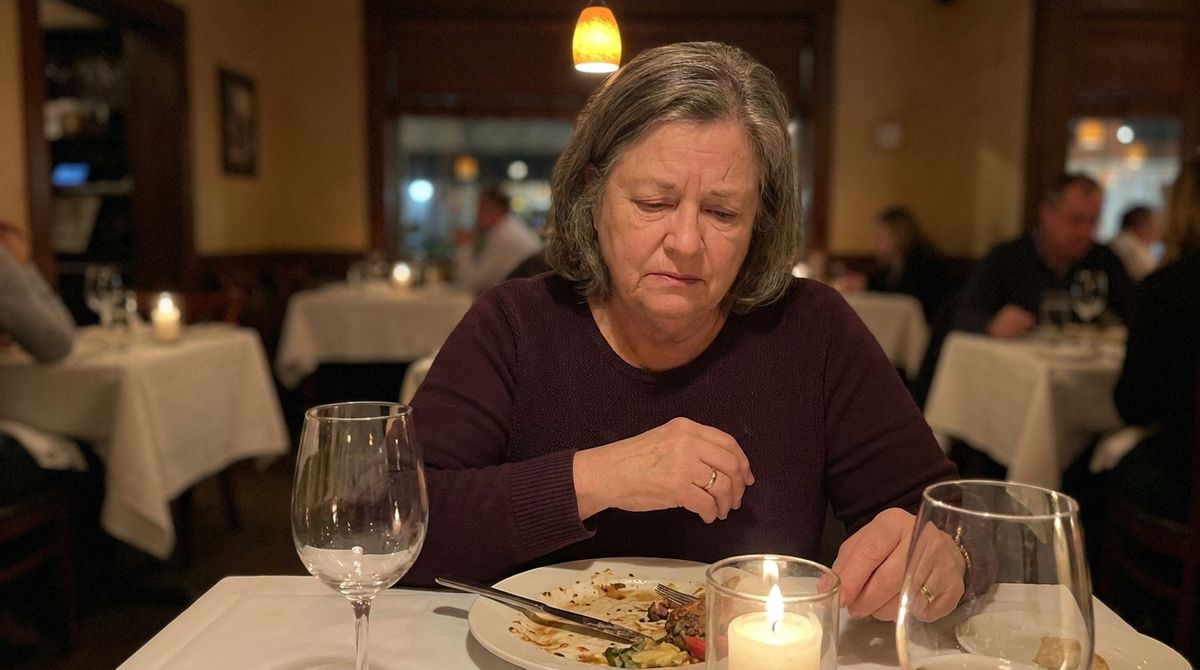
It took my own wife to break that loose. Linda and I had been married thirty-one years. She'd put on weight after menopause and hated it in a way she rarely said out loud. The cravings ran her evenings. She'd be calm all day, then lose the whole night to the cupboard. Our anniversary, we went to a restaurant she'd wanted to try.
Halfway through, a woman at the next table, someone Linda knew from years back, leaned over with a bright smile and said, "Oh, Linda! I almost didn't recognize you." That was all. A pleasantry. But I watched my wife's face go still. She set down her fork. She didn't finish the meal.
In the car she stared out the window and said, very quietly, "You're a doctor. You fix people all day. And you've never once had anything for me." I'm a careful man. Spare with words. I had nothing to say back, because she was right. That night I stopped accepting that there was nothing to do.
The Receipts In Linda's Bathroom Drawer
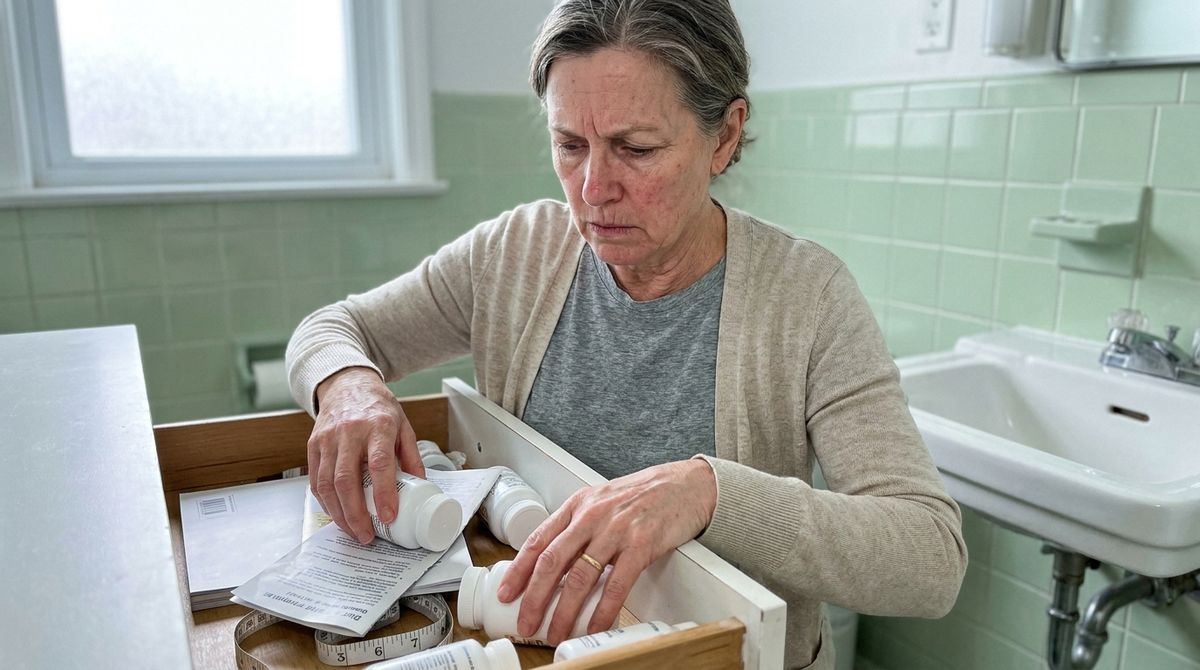
I started by going through everything Linda had already tried. There was a drawer full of it. Each one had failed her for a reason I could finally name, and every reason pointed at the same overlooked place.
- Calorie tracking and points apps, they fought the symptom (eating) with discipline, while the actual signal that tells your brain "Enough" Was never coming through.
- Keto and fasting, punishing schedules that made the cravings louder, because the missing fullness hormone wasn't restored, just starved harder.
- Berberine capsules, 'nature's Ozempic', the right idea, swallowed the wrong way. Your stomach acid breaks most of it down long before it can do anything.
- Drugstore 'slimming' patches, stickers with the wrong ingredients in a form too large to ever cross the skin.
- The injection conversation, $1,000-plus a month, a weekly needle she's terrified of, and the warning that the weight comes roaring back the moment you stop.
What Linda Was Missing Was Made In Her Gut, Not Her Head
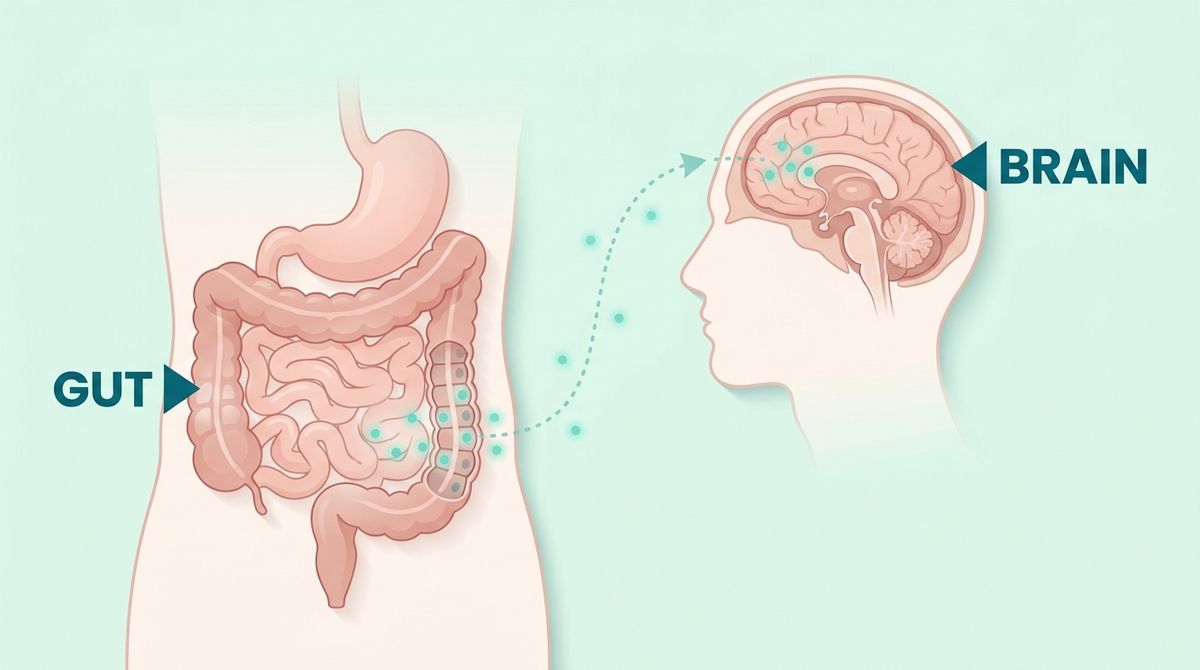
Here is the part I'd known the whole time and never connected. There's a hormone called GLP-1. Your gut makes it. When you eat, it's the messenger that travels up and tells your brain: you've had enough, you can stop now. When you have plenty of it, the pull toward food at 4am simply isn't there. You eat, you feel done, you move on.
And here is the fact nobody had told Linda: your body makes less and less of it as you age. By a woman's mid-fifties, production has fallen by more than half. So the cravings weren't a flaw in her character. The messenger had gone quiet. Her brain was never getting the signal that the meal was over, so of course it kept asking.
Why Every Pill Goes Down The Drain
Think of your fullness signal like the water line into a house. When the main valve is open, water reaches every tap, you turn the handle, you get what you need, you turn it off. That's a body with healthy GLP-1. With age, that main valve closes to a trickle. The pipes are fine. The taps are fine. But almost nothing comes through.
You stand at the sink turning the handle and the cravings never quiet, because the line is barely flowing. Now, here's the cruelty of the pill. The ingredient that could help reopen that line is real. But when you swallow it, it goes through your stomach acid first, and your stomach is a wood-chipper.
It shreds most of the active before a drop ever reaches where it's needed. So women take the capsules for months, feel nothing, and conclude they're broken. They aren't broken. The repair crew was destroyed on the way to the job.
Reopen The Line, Then Keep It Flowing
Once I saw it as a flow problem, the fix was obvious. Two things have to happen, and they have to happen without going through the stomach. I started sourcing the actives from a compounding specialist and testing a rough version on Linda first. I called the approach Wake & Feed, because that's literally what it does.
- Wake the line, berberine, a plant compound, prompts the gut cells that produce GLP-1 to start releasing it again. It reopens the valve.
- Feed the line, prebiotics nourish the gut bacteria that keep those cells releasing steadily for hours, so the flow doesn't open then crash.
- Skip the wood-chipper, deliver both through the skin instead of the stomach, so the actives reach the bloodstream intact, the way a nicotine patch has worked for decades.
The Complaint That Landed On My Desk
Linda was my first test. Within the first week the evening cupboard trips eased. Around the seven-week mark she came to the kitchen one night, opened the fridge out of old habit, stood there a moment, then closed it and went back to bed without taking anything. She told me the next morning like it was the strangest thing that had ever happened to her.
I made a small batch for two patients I'd run out of options for. Then a few more. Word moved. Then a formal complaint arrived, filed with the licensing board by another physician who'd heard what I was doing. Unproven. Off-protocol. The standard of care is diet and exercise, the filing said. I understood the reflex.
To admit this works is to admit the field spent decades telling tired women it was their fault when the real answer was a hormone almost nobody bothered to mention. That's an uncomfortable thing for a profession to say out loud. Easier to file a complaint than to revisit the advice.
From My Kitchen Batch To A Real Patch
The board reviewed it and closed the matter. But the noise told me I shouldn't be hand-mixing this in batches for the few people who found me. So I partnered with a small formulation team and turned that rough blend into something consistent, tested, and clean. The result is the patch now sold as Ledisa.
One patch, applied to clean skin on your stomach or arm in the morning. You wear it about eight hours. You go about your day and forget it's there.
- Berberine, a plant compound that wakes the gut cells that make your fullness hormone.
- Prebiotics, food for the gut bacteria that keep that hormone flowing steadily, not in a spike-and-crash.
- Apple cider vinegar & cinnamon, steady blood sugar so the craving spikes are smaller to begin with.
- Delivered through the skin, straight into the bloodstream, never through the stomach acid that destroys the actives in a pill.
- Plant-based, vegan, made in an FDA-registered facility, third-party tested.
What The First Week, And The Twelfth, Tend To Look Like
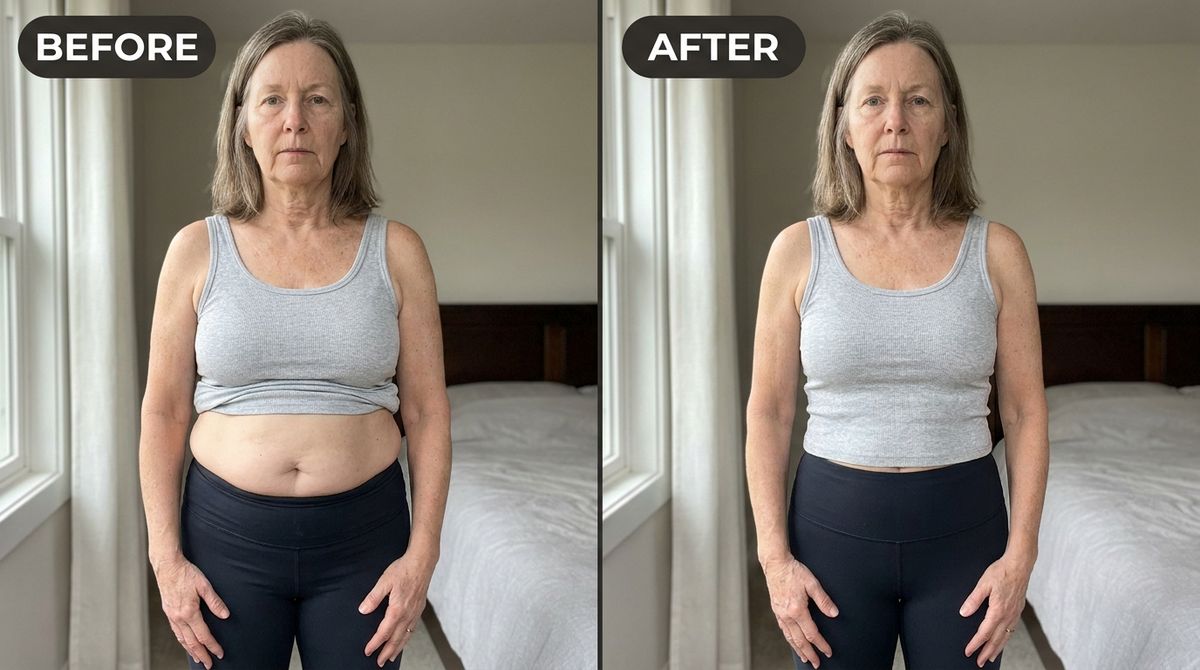
The pattern is fairly consistent, though everyone is different. In the first several days, the pull toward food at odd hours starts to quiet. Women describe catching themselves not thinking about the next snack. By week three or four, portions shrink on their own. You eat, you feel done, you stop, without negotiating with yourself.
By around week twelve, the constant tug-of-war with food is mostly gone. The midnight kitchen trips, the 3pm white-knuckling, quiet.
What We Saw In The Women Who Tracked It
We followed a small group of women using the patch daily and asked them to report back honestly.
- Most Of the women who tried it said their cravings noticeably quieted within the first two weeks
- A small group Of women tracked it daily and reported back to us
- Very few Asked for a refund
- Under $1 A day, less than a cup of coffee
Add Up What She'd Already Spent
Linda's drawer was a receipt for the problem. The nutritionist visits. The fasting program with the app subscription. The capsules that did nothing. The gym membership she stopped using. And the injection quote that would have run more than her car payment, every single month, for as long as she stayed on it. Against all of that, the patch is almost embarrassing to price.
Weekly GLP-1 injection
- $1,000+ per month
- Needle, prescription, doctor visits
- Weight often returns when you stop
Total: More than a car payment
Nutritionist + programs
- Visits, apps, subscriptions
- Years of it
- The drawer of receipts
Total: Hundreds, again and again
The Ledisa patch
- One patch a day
- No needle, no prescription
- Wear it 8 hours and forget it
Total: Under $1 a day
The Price My Field Would Rather You Didn't See
I'll be blunt about the cost, because that's the part that makes the establishment uncomfortable. Something that quiets the cravings women have fought for decades should, by every logic of my profession, cost what the injection costs. It doesn't. The regular price is $49 a bottle. On this page today, it's $29 a bottle. And they cover the shipping.
Under a dollar a day, for the thing diet plans and willpower could never deliver, because they were aimed at the wrong place.
Ninety Days To Decide With Your Own Eyes
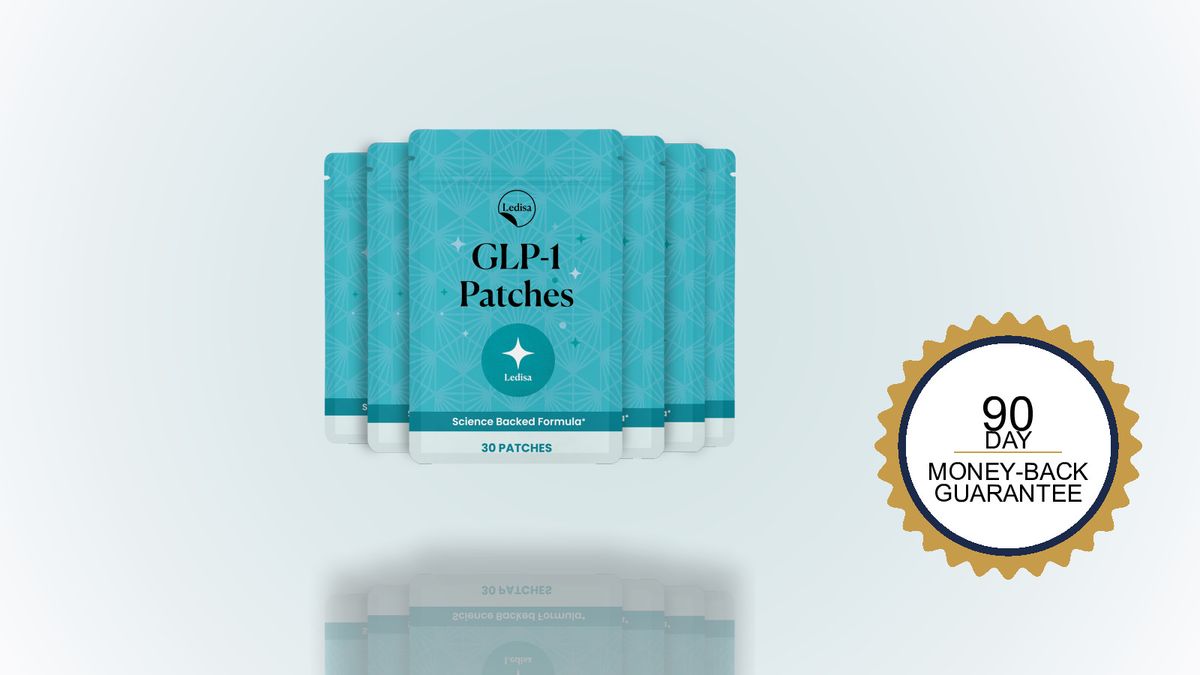
I won't ask you to take my word over your own experience. That's the whole point. Wear it daily. Watch what happens to the 4am pull and the 3pm fight. If it isn't doing for you what it did for Linda, send it back within 90 days and get every penny returned. No questions.
Keep Fighting The Trickle
Stay with the advice that hasn't worked. Count the calories again. White-knuckle through the afternoon. Stand at the fridge at 4am angry at yourself, certain the problem is you, when the problem is a hormone nobody told you about.
Reopen The Line
Try the one thing built to address the actual cause, a patch that wakes and feeds your body's own fullness signal and gets past the acid that destroyed every pill. One a day. Eight hours. Backed for 90 days.
How To Start Today
- Tap the button below to reach the official Ledisa page.
- Enter your shipping details on the secure checkout.
- Your patches arrive in a few days.
- Apply one patch to clean skin each morning, wear it about 8 hours, and go about your day.
- Watch what happens to the cravings over the first few weeks, and write to tell us.
Linda Has Waited Long Enough, So Have You
Later is another 4am trip to the fridge. Later is another afternoon spent fighting a pull that was never your fault. Later is this page's price going back up when the batch sells out. The woman at the next table didn't mean to wound my wife. But that quiet drive home is what put this in front of you.
Don't let it take a moment like that for you. Click below.
With respect and some urgency,
Dr. Tobias Brandt, MD
P.S. The night Linda closed the fridge and walked away with nothing in her hand, she didn't say a word about it until morning, she wasn't sure it was real. It was. That quiet repeats itself in this house most nights now. I wanted you to have it too.
P.P.S. Remember why the pills did nothing: the active never survived your stomach. The patch is the answer to that one specific problem. It is not an injection, it is not a drug, and it does not contain synthetic GLP-1, it supports the GLP-1 your own body already knows how to make.